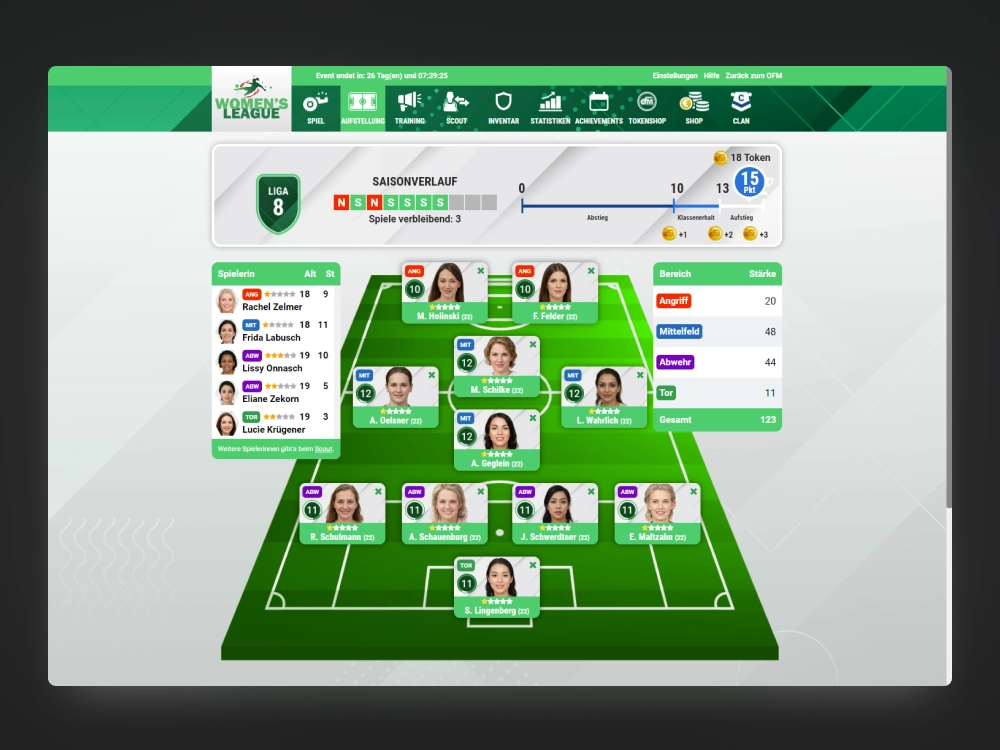
Distinctive Games used Generated Photos to create the faces of their characters
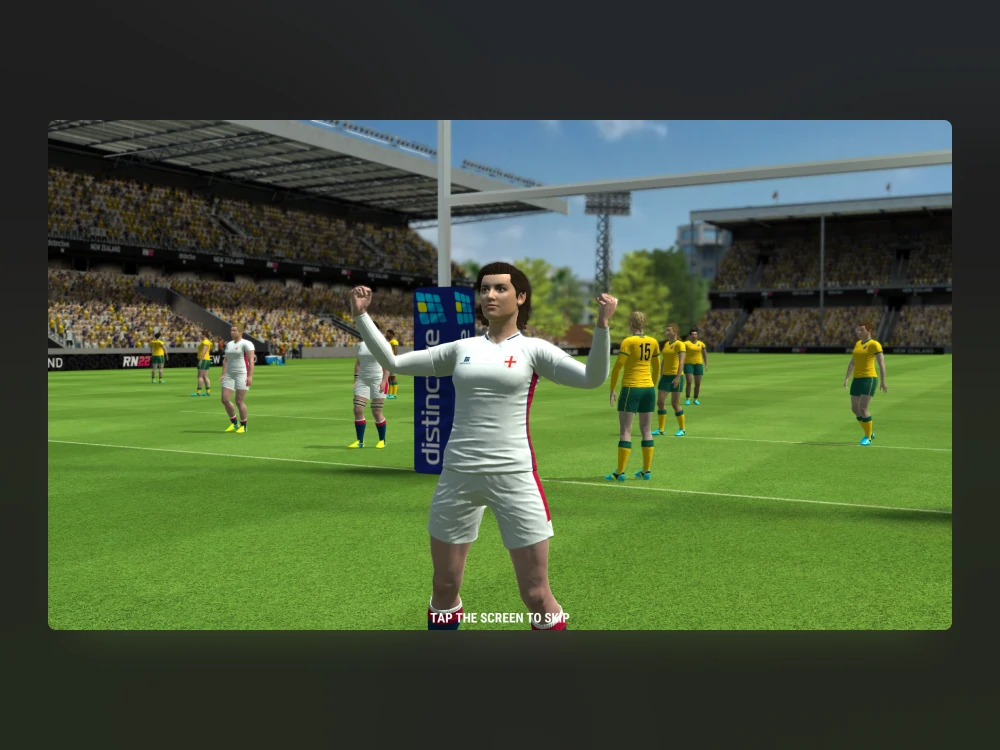
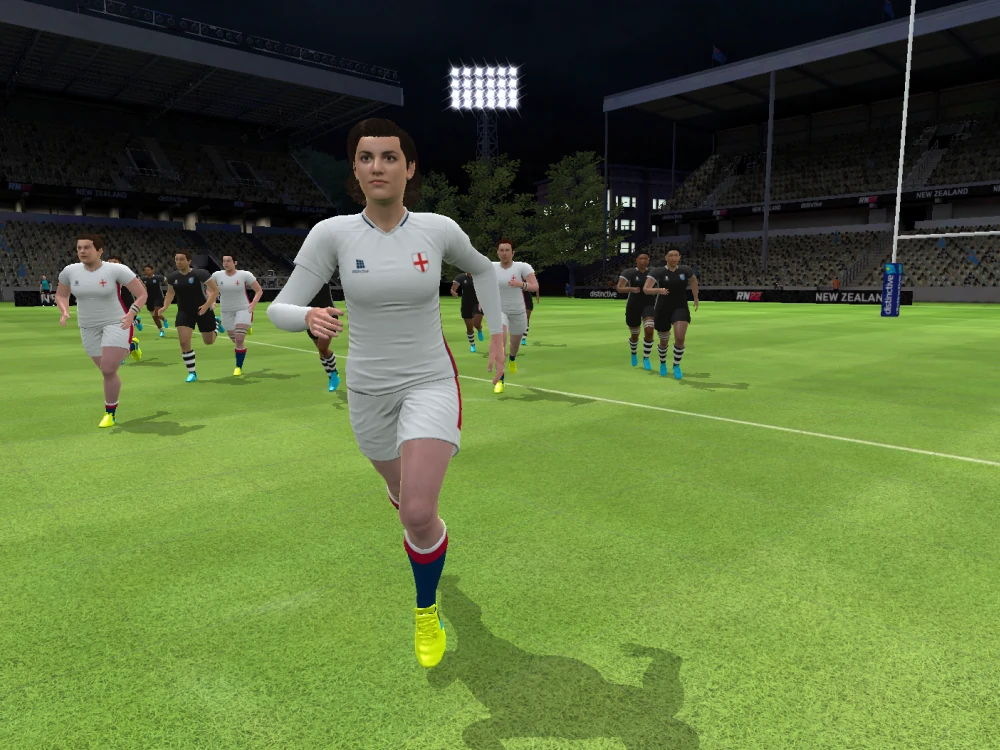
“One of our critical goals for the title was to greatly enhance the visuals of the player models to create a believable living & breathing virtual Rugby ‘World’ that connects the game player with the on-screen action. The challenge, however, was that as a relatively small development studio, we needed lots of unique-looking Rugby players from a wide variety of ethnic backgrounds. We had also decided to introduce Women’s Rugby into the game for the first time, which immediately doubled the number of virtual players we needed to create.
⠀
Generated Photos massively helped us achieve our goals on the Rugby Nations project, and we will absolutely be using the same process going forward on other titles.”
⠀
As a relatively small development studio, there was no way we had the time or the budget to handcraft the look of each player, as we had in previous versions of the game. Nor did we have the luxury of face-scanning hundreds of real people for inclusion into the game. This is when our research led us to the G website. We quickly realized that we could quickly and inexpensively create as many player faces as we needed, plug these into the Real Illusion Headshot system, and have game-ready assets in a fraction of the time of any other method.
⠀
Our process starts with a kind of ‘virtual casting’ session where we choose a selection of photos that fit the gender and ethnic mix we are looking for. Once this selection is signed off by both our art and production teams, the photos are purchased and put into the Reallusion Headshot system. This generates a 3D model based on the generated photo. We would often spend a little time adjusting the model here, although it’s amazing how good the initial output is, considering it is purely generated from a single photo.
⠀
Next, the textures are cleaned up in Photoshop, and the 3D model is combined into our library of available head models. Finally, the exported models and textures are imported into the Unity Engine and correctly configured for use in the Rugby Nations game engine.